
Dental Clinic
Your All-on-4 Treatment Journey
Complete Dental Care
For Your Whole Family
Flexible Appointments
Care When You Need It
Modern Dental Treatments
Comfortable Care, Clear Advice
The Steps of Your All-on-4 Treatment
Your treatment is carefully planned around your individual needs, beginning with an initial assessment and progressing through implant placement, healing, and the final laboratory stage. If factors such as bone loss, infection, or previous dental treatment are present, your treatment may require additional planning.
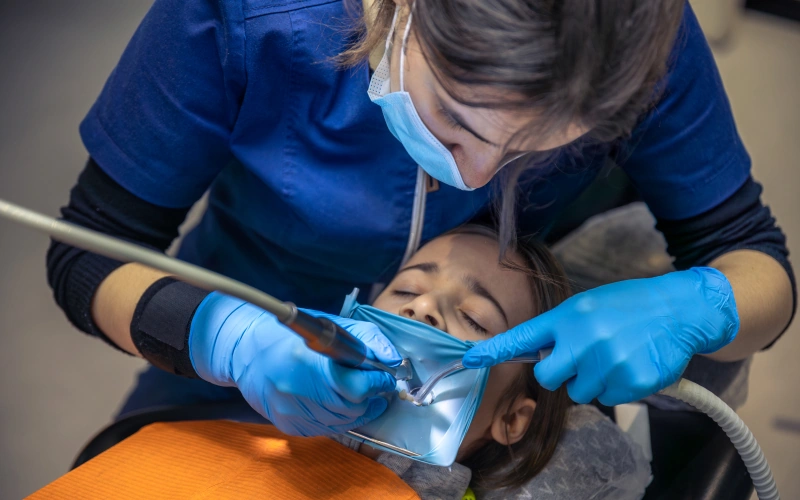
1
Initial Smile Assessment & Treatment Planning
Your first appointment is focused on assessing your dental needs and deciding whether All-on-4 treatment is appropriate for you.
This covers:
- Whether All-on-4 is suitable for your needs
- How many implants may be required
- Any additional procedures that may be necessary
- The expected treatment stages and recovery time
If there is bone loss, infection, or a history of previous dental treatment, further planning may be required.
2
Your Implant Procedure
For patients who are suitable, the surgical treatment can typically be completed in one day.
Your procedure may involve:
- Numbing the treatment area with local anaesthetic and IV sedation
- Removing any teeth that are no longer suitable to keep
- Addressing infection if present
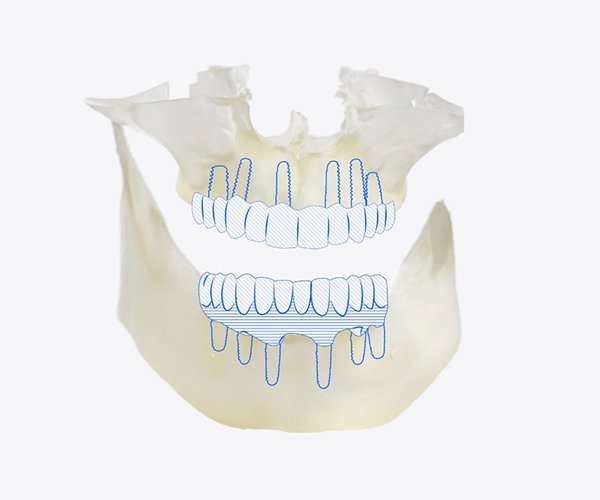
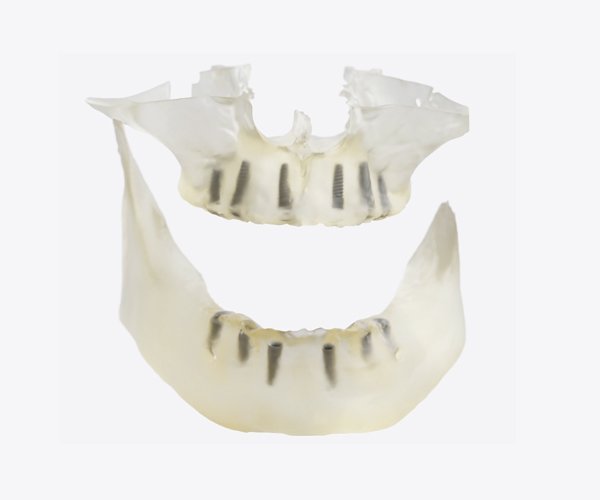
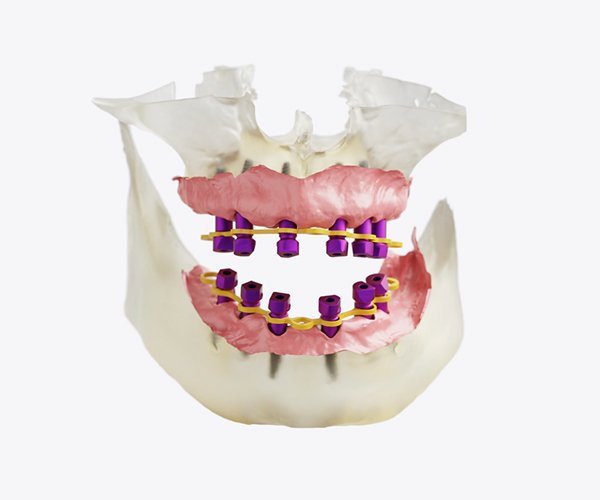
- Securing dental implants into the upper and/or lower jaw
Depending on your treatment, your care team may include a dentist, surgical assistants, and an anaesthetist for sedation.
The time needed for surgery will depend on the complexity of your case and whether treatment is carried out on one or both arches.
Before going home, you will be provided with individual aftercare advice to help you recover comfortably.
3
Temporary Teeth During Your Recovery
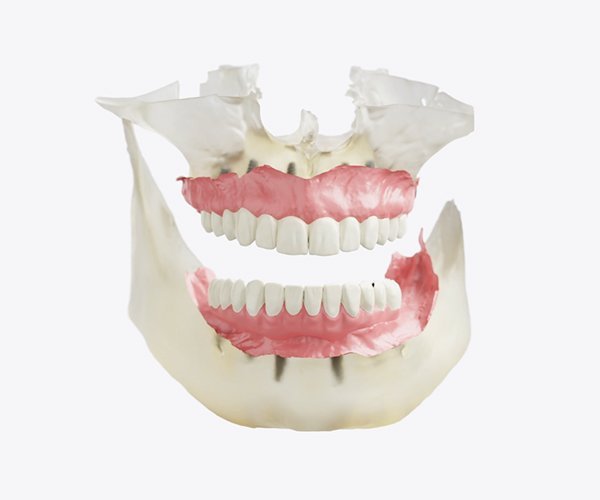
Many patients can have a fixed temporary set of teeth placed shortly after their All-on-4 implants are inserted.
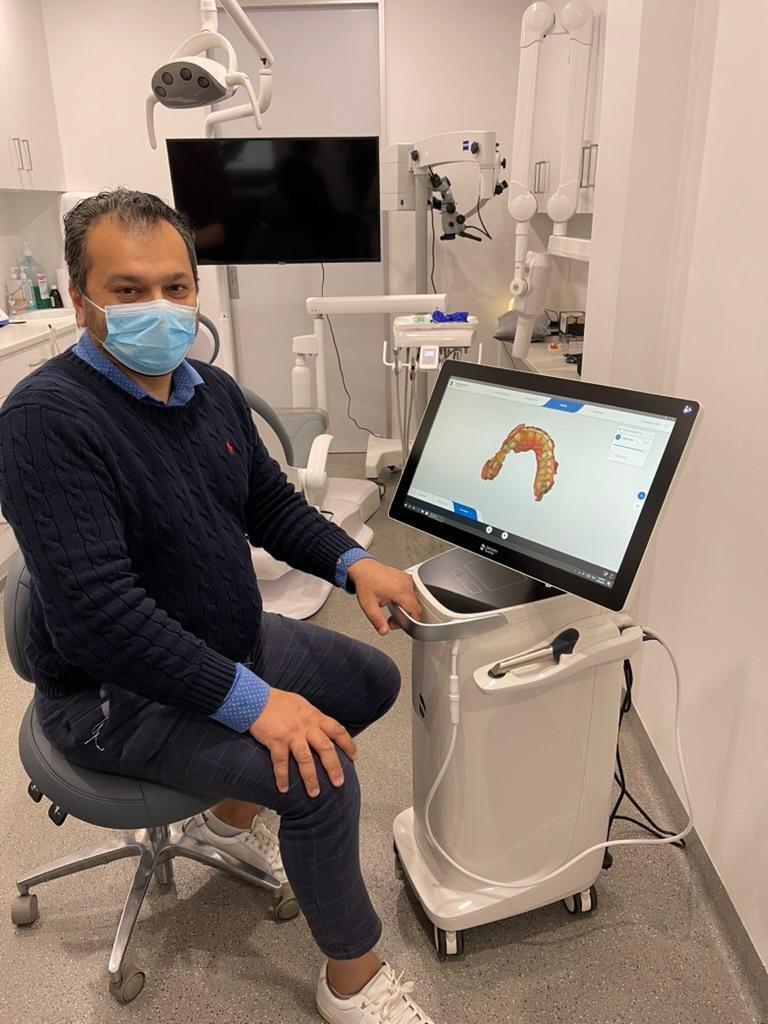
After the procedure, digital scans are captured to help produce your temporary teeth, which are usually ready to fit within 24 hours.
Your temporary teeth are designed to:
- Maintain your smile while healing takes place
- Help with speech and daily activities
- Reduce stress on the implants during the healing phase
These are temporary restorations rather than your permanent teeth, so some limitations in function may be expected.
Eating soft foods is important during this stage to support the healing of your implants and surrounding tissues.
4
Healing & Recovery Follow-Up
Throughout the healing stage, scheduled appointments help your clinical team keep track of:
- Implant healing and integration
- Recovery of the gums and surrounding tissues
- Bite position and alignment
- Comfort and overall appearance
A review is usually scheduled around two weeks after surgery to check your healing and adjust the temporary teeth if needed.
Your comments about tooth shape, speech, comfort, and appearance can also help guide the design of your final teeth.
The timing of follow-up visits may differ depending on how your individual recovery progresses.
5
Final Teeth & Smile
After the implants have had time to heal, usually around 3–6 months after surgery, we take the necessary records and impressions to prepare your permanent teeth.
At this stage:
- Temporary teeth are taken out
- Detailed scans and impressions are completed
- Your permanent teeth are securely fitted
- Guidance on ongoing care and maintenance is provided
Healing can vary from person to person, and the upper and lower arches may progress at different rates.
Recovery During Your Treatment
Recovery can differ from one person to another and depends on individual circumstances. Factors such as smoking, bone density, general health, and whether one or both arches are treated can all influence your healing time and progress.
- Temporary teeth are placed before you leave the clinic, with clear aftercare instructions
- Numbness wears off as the anaesthetic gradually leaves your system
- Swelling can begin, accompanied by mild to moderate soreness
- Get plenty of rest, apply ice packs, drink fluids, and use medication as prescribed
- Swelling and bruising are often greatest around days 2–3
- Bruising generally fades over the next 1–2 weeks
- Keep to a soft-food diet during this period
- Many people can return to desk work within around 5–7 days
- Most visible signs of healing have settled
- Swelling reduces further and your energy starts to return
- Any discomfort is generally very mild
- Continue to avoid hard, crunchy, or chewy foods
- The implants continue to integrate with your jawbone
- Healing progresses beneath the gums
- Temporary teeth stay in place during this phase
- Maintaining good oral care and a suitable diet is essential
- Once your healing is confirmed, we start preparing for your permanent teeth
- Detailed scans, impressions, and bite measurements are taken
- Any required changes to the smile design are refined
- Your final teeth are fitted once everything is ready
Ongoing Implant Care
Dental implants are supported by living tissues and can still be subject to biological issues over time. Protecting your long-term results requires consistent oral hygiene at home, combined with routine professional check-ups and ongoing clinical monitoring.
Daily Oral Care at Home
Consistent daily cleaning is important for keeping the area around and beneath your bridge free from harmful bacterial buildup:
- Brushing: Brush twice a day with a soft-bristle toothbrush or electric toothbrush.
- Cleaning Between Teeth: Use a water flosser and appropriate interdental brushes daily to clean beneath the bridge.
Regular Professional Check-Ups
Follow-up appointments are typically recommended every 6–12 months, based on your individual needs and risk factors. During these visits, your clinician will:
- Assess your implants: Check implant stability and the health of the surrounding gums and tissues.
- Review your prosthesis: Examine for wear, minor cracks, or any changes in bite alignment.
- Carry out professional cleaning: Remove plaque and tartar that can be difficult to eliminate through daily brushing alone.
Disclaimer: Inconsistent oral care can increase the likelihood of peri-implantitis, an inflammatory condition that may lead to progressive bone loss around dental implants. If not identified and treated appropriately, it can contribute to implant failure. Early signs may not be obvious, which is why routine clinical examinations and diagnostic X-rays are important for detecting problems at an early stage.
Care and Support at Every Stage
Ongoing guidance, personalised care, and a dedicated team to support you throughout your treatment journey.
When to Contact Your Dental Team
Please contact our team as soon as possible if you experience:
- Severe or worsening pain that remains after prescribed medication beyond the first 3 days
- Increased facial swelling or redness developing after day 4
- Persistent bad taste, discharge, fever, or chills
- Heavy or ongoing bleeding that does not stop with gentle pressure from gauze
- Any movement, clicking, or damage affecting your temporary bridge
Disclaimer: The content on this page is intended for general information and does not replace professional dental advice. Treatment is recommended only after an individual clinical assessment, and all surgical or invasive procedures involve certain risks. Your treatment approach, healing period, and expected results may differ depending on your overall health, bone condition, and clinical findings.
Questions
Frequently Asked Questions About All-on-4 Treatment
Some soreness after All-on-4 implant surgery is to be expected. Swelling and bruising are usually more noticeable during the first few days and tend to ease over the following week. Any discomfort can generally be managed with the medication recommended after your procedure.
Recovery varies for each person, but severe or ongoing pain is not considered typical. If you notice anything unusual or have concerns during your recovery, our team is here to support you.
Most people are able to resume their usual activities within a few days, while swelling and tenderness generally improve within about a week. If you have a desk-based role, you may be able to return to work after around 5–7 days, whereas physically demanding work can require a longer break. Even when you feel comfortable, the implants need several months to fully integrate with the jawbone, with your progress reviewed during follow-up visits before the final teeth are placed.
A soft-food diet is usually recommended for around three to six months while the implants heal and become firmly integrated with the jawbone. Limiting harder foods helps reduce stress on the implants and supports the healing process. Your dentist will review your progress during follow-up appointments and advise when you can safely begin reintroducing normal food textures.
If IV sedation is used during your procedure, you must arrange for someone to take you home rather than driving yourself. A responsible adult should stay with you for the next 24 hours while the effects of the sedation fully wear off. If you need assistance arranging a suitable way home, our team can help. We will also get in touch the following day to see how you are recovering.
Free · No obligation
See If All-on-4 Dental Implants Are Right for You
Unsure whether you’re a suitable candidate? Complete our free online assessment and our team will personally review your answers before getting in touch with you.